Scissors and Thread Heart
First Impression: Cute, Confident, and Instantly Relatable
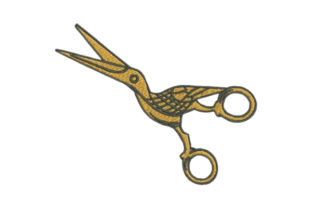
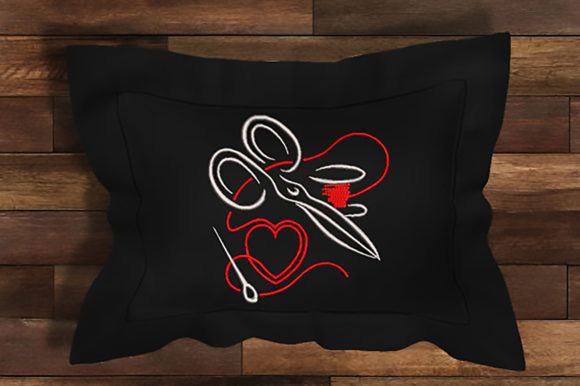
As an embroidery designer who’s prepped over 200 craft fair booths—and watched thousands of shoppers pause at a single stitch—I’ll say it plainly: Scissors and Thread Heart lands with quiet charm. It’s not loud or trendy; it’s warm, intentional, and deeply resonant for sewists. The title alone tells a story—scissors (action, precision, craft), thread (connection, care, continuity), and heart (passion, handmade soul). Visually, it reads as soft modern—not too rustic, not overly graphic—making it ideal for makers who value authenticity over flash. At a glance, it feels like a friendly nod across the booth aisle: “I see you. I make things too.”
Where It Shines: Craft Fair Product Placement That Converts
This design excels where handmade meaning matters most. On a natural linen tote bag? Perfect—centered just below the shoulder strap, it’s large enough to read but small enough to leave room for texture and drape. As apron embroidery above the pocket? Yes—it adds personality without competing with functional details. For tea towel embroidery? Ideal near the corner or along the hem: clean, legible, and emotionally cohesive with kitchen creativity. As an embroidered patch? Strong contender—especially when fused onto denim jackets or market bags. And on small pouches or pillow covers? It scales beautifully down to 2.5”, retaining shape and sweetness.
What makes Scissors and Thread Heart a craft fair standout isn’t just cuteness—it’s clarity. Unlike abstract motifs or dense florals, this machine embroidery design communicates instantly. No translation needed. A non-sewer might smile; a quilter will pause, point, and say, “That’s *me*.” That emotional resonance drives impulse buys—and repeat booth visits.
Real-World Production Notes for Small Shop Owners
Yes, it’s labeled “easy to stitch”—and in practice, that holds true for most fabric types and home embroidery machines. But ease doesn’t mean zero prep. Here’s what I check before cutting into my first batch of tea towels or caps:
- Stitch density: Look closely at the heart’s interior and scissor blades—if filled areas feel heavy, test on scrap first. Dense fills can pucker thin cotton or obscure detail on textured terry cloth.
- Small details: The thread loop or tiny hinge on the scissors may blur on dark fabric or at sub-3” sizes. Always verify legibility in your intended scale—especially for patches or cap fronts.
- Hoop size & stabilizer: Since the description mentions multiple embroidery file formats, confirm your chosen version fits your standard hoop. Pair with medium-weight tear-away stabilizer for cottons and lightweight cut-away for knits or stretchy fabrics.
- Fabric texture: Avoid using Scissors and Thread Heart on heavily napped towels or thick canvas without testing—fine lines can disappear into the pile.
Photography, Listings, and Digital Appeal
This design photographs exceptionally well—soft shadows, balanced negative space, and strong silhouette make it ideal for Etsy listings and printable mockups. Use natural light and neutral backdrops to highlight thread colors and stitch definition. For digital embroidery file sellers, include flat-lay shots on three surfaces: a folded tea towel, a relaxed tote, and a pinned patch on denim. That visual range builds buyer confidence fast.
It also supports brand consistency. Whether you sell under “Stitch & Sage” or “The Seam Collective,” Scissors and Thread Heart reinforces a cohesive voice: skilled, heartfelt, quietly confident. It doesn’t shout—it invites.
Booth Strategy: Turning Stitches Into Sales
At a craft fair, attention is currency. I place one oversized tote with Scissors and Thread Heart front-and-center on my display table—not tucked away, but hanging freely so the design catches light and movement. Next to it, I pin three embroidered patches on a corkboard with price tags: “Sew Your Story,” “For the Love of Thread,” and “Made With Scissors & Heart.” That subtle repetition builds recognition without overselling.
I also keep a small, finished pillow cover nearby—unzipped, showing the clean backstitching and label. Customers touch it. They ask, “Did you make this?” That tactile moment is where handmade value crystallizes. Scissors and Thread Heart doesn’t just decorate—it validates the maker’s identity and deepens buyer engagement.
Smart Next Steps for Embroidery Business Owners
Before launching Scissors and Thread Heart as a craft fair product or digital embroidery file, do these five things:
- Test the design on your most common fabric—especially if you specialize in tea towel embroidery or apron embroidery.
- Check thread contrast on both light and dark fabric swatches. Soft pastel threads pop on navy; charcoal grays hold up better on cream.
- Review spacing between scissor handles and heart shape—tight gaps can close up during stitching if stabilizer shifts.
- Create at least one real mockup (not just digital)—a stitched tote, a patched pouch, or a framed tea towel sample. Real-world drape changes everything.
- Confirm commercial licensing terms. Since this is marketed as a machine embroidery design for handmade products, ensure your license permits finished product sales—not just personal use.
Final Thought: More Than a Design—A Quiet Invitation
Scissors and Thread Heart works because it honors the ritual of making. It’s not decorative filler—it’s a signature. For Etsy sellers juggling SEO and soul, for boutique makers curating thoughtful collections, for Cricut crafters expanding into embroidery—it bridges practicality and poetry. It sells not because it’s flashy, but because it feels true. In a crowded handmade market, that kind of authenticity doesn’t just stand out—it stays remembered.
So stitch it with intention. Display it with pride. And let every pair of scissors—and every heart—tell its own story.