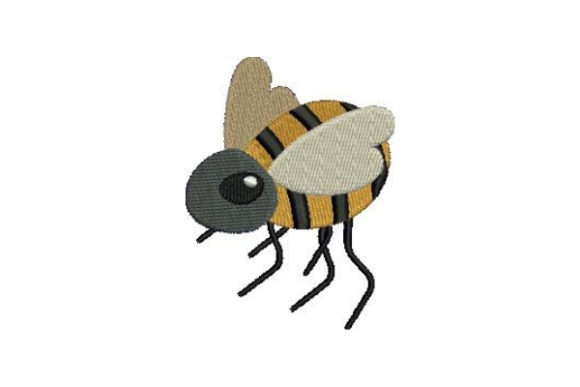
Bumble Bee Embroidery Design Review
A Friendly, Professional First Impression for Small Business Branding
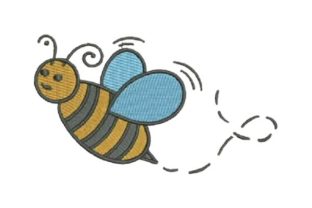
As an embroidery designer who’s developed and tested hundreds of designs for small business merch, my first impression of Bumble Bee is immediate and positive: it reads as approachable, warm, and authentically handmade—without sacrificing polish. The name alone signals playfulness and natural charm, and the description confirms its intent: “a real buzz” for sewing projects. That’s not just marketing fluff—it’s a strong signal that Bumble Bee was crafted to resonate with customers of cafés, florists, bakeries, pet brands, and creative studios. It lands somewhere between modern rustic and cheerful classic—never cutesy to the point of unprofessionalism, never so minimal it loses personality. For businesses building brand identity through tactile, human-made details, Bumble Bee feels like a trusted collaborator—not just decoration.
Where Bumble Bee Shines in Real Business Applications
Bumble Bee excels where small businesses need consistent, scalable branding: embroidered patches, staff uniforms, aprons, caps, tote bags, and product packaging accents. As a chest logo on a café apron, it conveys friendliness and care—ideal for front-of-house teams. On a boutique tote bag, it becomes a subtle yet memorable signature, reinforcing brand recognition without shouting. For a local florist or honey-based product line, Bumble Bee functions as both thematic motif and visual shorthand—immediately legible, emotionally resonant, and commercially versatile.
It also performs well across mixed-use merchandise: cap embroidery (especially on structured front panels), sleeve details on work shirts, and even as a stitched accent on reusable produce bags or gift tags. Because it’s categorized under Bugs and labeled as an embroidery design—not clip art or vector—it’s built for stitch integrity, not just screen display. That means cleaner edges, balanced fill areas, and thoughtful thread pathing when digitized correctly. As a digital embroidery file, it supports repeat use across client projects, making it a smart addition to any embroidery shop’s design assets library.
Use With Intention: Key Considerations for Commercial Embroidery
While Bumble Bee is flexible, it’s not universally frictionless. For embroidered patch production under 2 inches tall, test scaling early—some fine antennae or wing details may collapse or blur at tiny sizes. Cap embroidery demands extra attention to curvature; if the bee’s body arcs sharply, it may distort on low-profile fronts unless digitized with stretch compensation. Similarly, textured fabric (like canvas totes or linen aprons) can swallow delicate outlines, so review stitch density before finalizing. High-density fills may cause puckering on lightweight cottons or dark uniforms unless paired with appropriate stabilizer.
Also note: if your small business merch includes frequent washing (think bakery staff aprons or daycare tote bags), confirm the design avoids overly dense satin-stitch wings or tight lettering that could snag or fray over time. And always verify commercial licensing—Bumble Bee is positioned for business use (“can be used in multiple”), but small business owners and Etsy sellers must ensure their license covers resale, branded product labeling, and client-facing embroidery services.
Practical Designer Notes Before You Stitch
- Test in black and white first—this reveals contrast issues and helps assess clarity without color distraction.
- Check minimum viable size—run a 1.75" version on scrap fabric to see how wings, eyes, and stripes hold up.
- Review thread color contrast—especially for light-on-dark or dark-on-light applications common in custom apparel.
- Inspect spacing and underlay—tight curves around the bee’s head or legs need clean underlay to prevent gapping on knit fabrics.
- Confirm hoop size compatibility—if you’re running high-volume orders, ensure Bumble Bee fits standard hoops without re-hooping mid-stitch.
- Test on real fabric—not just stabilizer swatches—and adjust tension/stabilizer type based on fabric texture.
- Create a printable mockup for client approval before stitching—this builds trust and reduces revision rounds.
- Compare alongside other design assets—does Bumble Bee visually harmonize with your existing logo, typography, or color palette?
How Bumble Bee Strengthens Brand Identity and Customer Trust
In a crowded marketplace, handmade product cues matter—Bumble Bee delivers them authentically. Its organic shape, gentle curves, and implied motion suggest care, craftsmanship, and attention to detail. When stitched onto a bakery’s flour-dusted apron or a florist’s reusable wrap, it quietly communicates values: sustainability, local roots, warmth. That builds customer trust faster than text alone.
Visually, Bumble Bee supports consistency across touchpoints: same design on a cap, tote, and product tag creates cohesion without repetition fatigue. For Etsy sellers and crafters, it elevates perceived value—customers pay more for items that feel intentionally designed, not mass-printed. And because it’s rooted in nature (a universally positive symbol), it avoids trend fatigue—unlike seasonal motifs, Bumble Bee remains relevant year after year.
Final Thought: A Buzz Worth Investing In
Bumble Bee isn’t just another machine embroidery design—it’s a strategic brand asset for small businesses building recognition through tangible, stitched storytelling. Whether you're an embroidery shop sourcing reliable files for clients, a handmade brand refreshing your merch lineup, or a café owner adding charm to staff uniforms, this design delivers professional polish with genuine warmth. Just remember: success lies in intentionality. Test it, scale it wisely, stabilize it properly, and always align it with your broader brand identity. Done right, Bumble Bee won’t just create a buzz—it’ll build loyalty, reinforce quality, and turn everyday items into memorable brand moments.