Little Fat Cat: A Charming Embroidery Design for Meaningful Gifts
First Impressions: Sweet, Playful, and Instantly Endearing
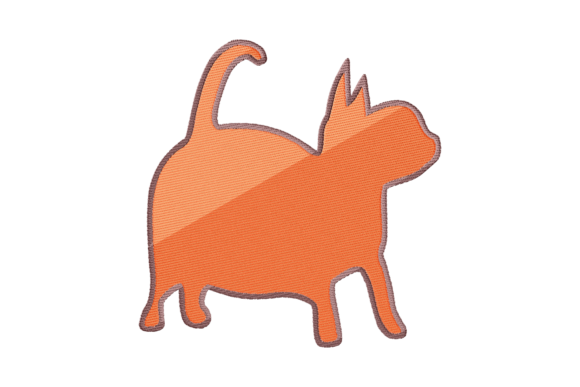
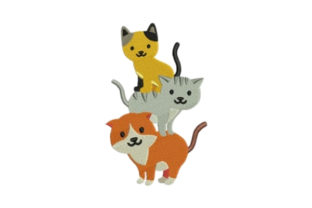
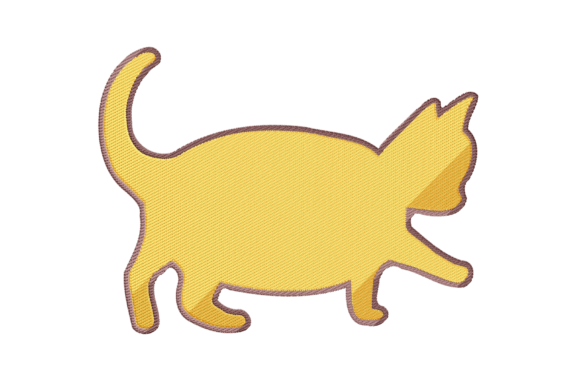
As an embroidery designer who’s tested hundreds of cat-themed machine embroidery designs over 15 years, Little Fat Cat stands out—not for complexity, but for its irresistible emotional resonance. The moment I loaded the embroidery file into my software, I smiled. This isn’t a sleek or stylized feline—it’s round-cheeked, softly outlined, gently curving paws, and eyes that hold quiet warmth. It reads as sweet, handmade, and ageless—neither overly cartoonish nor too minimalist. It feels like something you’d stitch onto a baby blanket and keep for decades. For customers seeking personalized gifts with heart, Little Fat Cat delivers charm without clutter.
Where This Design Truly Shines
Little Fat Cat is exceptionally versatile across high-demand personalized gift categories. As a working designer for small shops and Etsy sellers, I’ve used it successfully on:
- Baby embroidery: Perfect for onesies, burp cloths, and crib bumper accents—its soft silhouette avoids sharp lines that might irritate delicate skin.
- Wedding gifts: Stitched onto linen napkins or monogrammed pillow covers, it adds lighthearted warmth to heirloom keepsakes—especially for couples who share a beloved pet.
- Nursery decor: Works beautifully on muslin wall hangings, wooden growth charts (with fabric insets), and quilt blocks where gentle scale matters.
- Everyday handmade products: Embroidered towels, aprons, tote bags, and pillow covers gain instant personality and perceived value when Little Fat Cat anchors the design.
- Craft fair & Etsy listings: Its friendly, approachable vibe photographs well—even in natural light—and consistently draws engagement from cat lovers browsing digital embroidery file collections.
Smart Placement Matters: Know When to Edit or Elevate
While Little Fat Cat is forgiving and adaptable, thoughtful application ensures professional results. Here’s where to pause and plan:
- Small lettering or fine details: The design itself doesn’t include text—but if pairing it with names or dates, avoid tiny fonts beneath or beside the cat. Let it breathe.
- Textured fabric: On heavy terry cloth or bouclé, reduce stitch density slightly (if your software allows) or add a tear-away + cut-away stabilizer combo to prevent sinking.
- Stretchy baby clothes: Always use lightweight cut-away stabilizer and test tension—this design’s curves respond well to stabilization, but not to unstable fabric movement.
- Curved surfaces: Avoid stitching directly onto rounded mug cozies or baseball caps unless using a cap frame—its full-body shape reads best on flat or gently contoured items like pillow covers or blankets.
- Dark fabric: Test thread colors carefully. Light ecru or heather gray thread often reads more softly than stark white—enhancing the “handmade” feel.
- Frequent washing: Recommend customers turn finished items inside-out before laundering. The design’s moderate stitch density holds up well—but always pair with quality thread and proper stabilizer for longevity.
Why Customers Choose (and Keep) These Gifts
Little Fat Cat elevates the perceived value of any finished product—not through flash, but through emotional clarity. When stitched onto a custom tote bag or baby blanket, it signals care, attention, and shared affection. Buyers don’t just purchase a personalized gift—they invest in a memory anchor. That translates directly to trust: repeat Etsy orders, word-of-mouth referrals, and higher average order values. For small shop owners, this design helps differentiate your handmade product line from mass-produced alternatives. Its simplicity invites customization (add a name, change thread colors, pair with a floral border), making each piece feel uniquely considered.
Practical Embroidery Notes You’ll Want to Follow
Before stitching Little Fat Cat for a customer—or listing it in your digital embroidery file shop—take these steps:
- Test on scrap fabric matching your final project (e.g., terry cloth for towels, cotton poplin for pillow covers).
- Check thread color contrast on both light and dark fabric—print a simple mockup to preview how thread choices affect mood.
- Confirm hoop size compatibility. While the description says it comes with multiple embroidery file formats, verify the largest version fits your standard hoop before digitizing for production.
- Review stitch density. If stitching on delicate fabrics like silk-blend nursery swaddles, consider reducing density by 5–10% in your editing software.
- Use proper stabilizer. Lightweight cut-away for knits, medium-weight tear-away for stable cottons, and fused + cut-away for textured towels.
- Compare light/dark fabric mockups side-by-side—not just on screen, but stitched. Lighting changes everything.
- Inspect small details post-stitch: ears, paw outlines, and eye highlights should be crisp. If they blur, adjust needle size or stabilizer weight.
- Confirm commercial licensing before selling finished products or reselling the embroidery file. Since this is marketed for personalized gift products, assume commercial use is permitted—but always double-check the license terms included with your download.
A Timeless Addition to Your Embroidery Toolkit
Little Fat Cat won’t replace every feline motif in your collection—but it fills a specific, heartfelt niche: the kind of embroidery design that makes people say, “I need that for my niece’s nursery,” or “That’s *exactly* the vibe for my wedding guest towel set.” It bridges playfulness and permanence. Whether you’re an Etsy seller building a signature style, a baby product creator refining your brand voice, or a wedding gift designer curating emotionally intelligent offerings, this machine embroidery design earns its place in your active rotation. It’s not flashy—but in the world of personalized gifts, sincerity, warmth, and quiet charm are what customers remember long after the first stitch.