Little Mr January Snowflake
A Practical Embroidery Designer’s Review for Small Business Merch
As an embroidery designer who’s developed hundreds of commercial machine embroidery designs for boutiques, cafés, florists, pet brands, and Etsy sellers, I approach every new file with two questions: Will it hold up in production? and Will it strengthen the client’s brand—not distract from it? When I first saw Little Mr January Snowflake, my instinct was positive—but not because it’s “cute.” It’s because its structure, balance, and seasonal clarity make it unusually versatile for real-world small business merch.
First Impression: Friendly, Seasonal, and Professionally Approachable
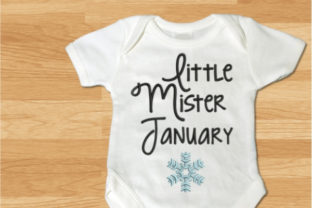
Little Mr January Snowflake lands as warmly professional—not overly whimsical, not sterile. The phrase “Little Mister January” reads clearly at a glance, and pairing it with a snowflake icon (not a cartoon or hyper-detailed motif) gives it quiet authority in the Winter category. It avoids twee clichés while still feeling handmade and intentional—ideal for businesses that want to signal craftsmanship without sacrificing polish. For a bakery launching a “January Treat Box,” a florist offering winter bouquets, or a pet brand releasing cozy seasonal collars, this design doesn’t shout—it invites.
Where It Shines in Real Business Use
This isn’t just a decorative embroidery file. It’s a functional brand asset—and here’s where Little Mr January Snowflake delivers:
- Embroidered patches: Works beautifully at 2.5"–3.5" sizes—clean lettering stays legible, snowflake holds shape, and the balanced layout prevents distortion on twill or felt backings.
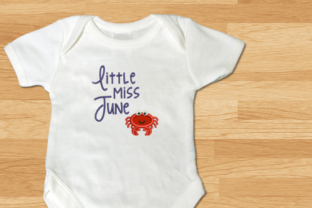
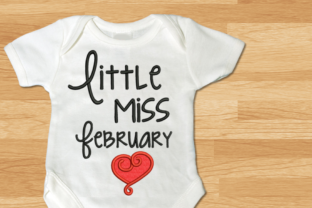
- Staff uniforms & aprons: Ideal for left-chest placement on cotton or poly-cotton blends. The vertical rhythm fits naturally over heart pockets and ties into cohesive monthly branding (e.g., rotating “Little Miss February,” etc.).
- Cap embroidery: Fits cleanly on front panels of structured caps—no crowding, no awkward scaling needed. The snowflake anchors the top line; text flows beneath without tight kerning stress.
- Tote bag design & product packaging accents: Looks confident on natural canvas or unbleached cotton. When stitched beside a logo or shop name, it adds seasonal warmth without competing visually.
- Custom apparel & boutique merchandise: Stitches well on crewnecks, sleeve cuffs, and pocket flaps—especially effective when used across a suite of staff and customer-facing items (e.g., barista aprons + customer gift totes).
- Etsy branding & handmade product presentation: Gives digital listings instant seasonal context. Paired with a printable mockup, it helps buyers visualize how their brand integrates with Little Mr January Snowflake—a subtle but powerful trust-builder.
Where to Use It Thoughtfully
Even strong designs have limits—and respecting them ensures your finished product reflects quality, not compromise:
- Avoid under 2": Tiny lettering in “Little Mister January” risks fill distortion or thread pull on curved surfaces like cap brims or knit sleeves. Always test at intended patch size first.
- Watch fabric texture: On heavy tweeds or looped terry, stitch density may need slight adjustment. A lightweight cutaway stabilizer is non-negotiable for crisp results on textured or stretchy fabrics.
- Dark uniforms demand contrast: If stitching on navy or charcoal work shirts, confirm thread colors provide enough value separation—especially between snowflake outline and background fabric.
- High-wash items need reinforcement: For aprons or reusable totes that undergo frequent laundering, verify the design uses secure satin and fill stitches—not delicate outlines or isolated tiny elements.
How It Strengthens Brand Identity—Beyond Aesthetics
Small businesses thrive on recognition, consistency, and perceived care. Little Mr January Snowflake supports all three:
It builds seasonal recognition—customers begin anticipating your monthly updates, turning routine merch into a ritual. It reinforces visual consistency across touchpoints: same font weight, same snowflake proportion, same spacing logic whether on a tote, cap, or embroidered label. And because it feels intentionally designed—not clip-art assembled—it quietly elevates perceived value. A café’s “January Latte Sleeve” with this design reads premium; a pet brand’s “Snowflake Collar Tag” feels thoughtful, not generic.
Most importantly, it signals brand confidence. Using a cohesive, scalable design like Little Mr January Snowflake tells customers you invest in details—even small ones. That translates directly to trust, repeat engagement, and willingness to pay for handmade authenticity.
Key Embroidery Designer Notes Before Production
Before sending Little Mr January Snowflake to your machine or client’s production team, run these checks:
- Test in black and white first—verify letter clarity and snowflake definition without color distraction.
- Confirm it scales cleanly down to your smallest intended patch size (e.g., 2.25")—look for legibility, not just fit.
- Review thread color contrast on your target fabric—especially if using variegated or matte threads.
- Inspect spacing: Are letters evenly tracked? Does the snowflake sit comfortably above the text without crowding or floating?
- Verify hoop size compatibility—“4 hoop s” suggests flexibility, but always match to your machine’s standard hoops before digitizing adjustments.
- Stitch a sample on actual fabric—not just stabilizer—using your usual needle, thread, and tension settings.
- Create a client-ready printable mockup showing Little Mr January Snowflake on apron, cap, and tote to align expectations early.
- Compare it side-by-side with your other design assets—does it share weight, rhythm, and proportion with your logo or brand typography?
- Confirm commercial licensing—this is essential for any commercial embroidery use, especially for resale items or branded staff wear.
Remember: Little Mr January Snowflake isn’t just a machine embroidery design. It’s a strategic tool—for storytelling, consistency, and small business distinction. Used intentionally, it transforms everyday items into memorable brand moments. And in a crowded market, that’s not decoration. It’s differentiation.