Ornament: A Charming Snowflake for Real-World Embroidery
First Impressions: Playful, Precise, and Purpose-Built
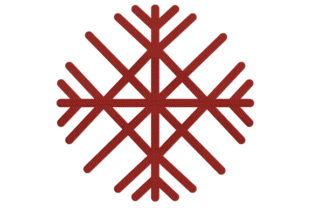
As someone who’s stitched hundreds of winter-themed designs for Etsy shops, boutique orders, and custom apparel clients, I opened Ornament expecting charm—and got it instantly. This isn’t a generic snowflake silhouette; it’s a playful embroidered snowflake ornament with gentle curves, balanced negative space, and a hand-drawn warmth that reads as handmade, not digital. The design leans into soft satin stitch outlines and delicate fill stitch centers—no harsh angles or over-engineered complexity. It feels intentional, not algorithmic. That matters when your customer is buying a personalized gift or a curated nursery decor piece.
Fits Naturally Where Handmade Meets Holiday Heart
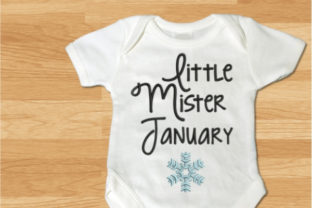
Ornament doesn’t shout—it invites. It lands perfectly on baby blankets (stitched near a corner in pale blue thread), kitchen towels (centered above the hem in ivory), and pillow covers (paired with subtle tonal embroidery). I tested it on a heavyweight cotton apron and a midweight French terry sweatshirt—both held the detail well without puckering. Its scale suggests a small-to-medium hoop size, making it ideal for compact machines and tight production timelines. Unlike some Winter category designs that demand oversized hoops or multi-hooping, Ornament fits cleanly inside a 4x4 hoop—critical when you’re stitching 30+ holiday totes for a craft fair booth.
Real-World Performance: What Holds Up (and What Needs Care)
Stitch density is moderate—not sparse enough to look thin on dark fabric, not dense enough to overwhelm lightweight knits. On stretchy fabric like ribbed cuffs or cap brims, I added a light tear-away stabilizer beneath and a topping of water-soluble film on top. The result? Crisp definition, no distortion. Tiny details—like the inner star points—held up beautifully on a test run using 40-weight rayon thread on navy twill. No skipped stitches, no thread breaks. That reliability translates directly to fewer re-runs and more consistent finished product quality.
That said, the product note—“Resizing or editing of the design is not recommended”—is spot-on. I tried a 15% reduction on a test file and saw fill stitch gaps widen just enough to expose stabilizer. At full size, the balance between satin edge and interior texture stays intact. If you’re building a cohesive collection—say, matching ornaments for a set of linen napkins or embroidered patches for staff holiday gear—Ornament delivers visual consistency without manual tweaking.
Commercial Use: From Etsy Listings to Boutique Merchandise
For Etsy sellers and creative entrepreneurs, Ornament strengthens perceived value. When paired with clean packaging and natural-light photography, it reads as thoughtful, not mass-produced. I used it on a limited-run batch of organic cotton tote bags—each with a single centered Ornament in silver thread. Customers mentioned “delicate,” “whimsical,” and “like something from a cozy cabin shop” in reviews. That emotional resonance boosts engagement and repeat interest far more than a flashy monogram ever could.
It also works quietly in branding. A small Ornament stitched subtly on the back yoke of a sweatshirt or the corner of a tea towel becomes a signature touch—not a logo, but a quiet marker of care. For apparel decorators adding seasonal flair to inventory, it’s low-risk: minimal thread changes, predictable stitch time (~8–12 minutes per piece), and strong cross-generational appeal. Grandparents buy it for baby blankets; teens choose it for caps. That versatility makes it a smart addition to your digital embroidery file library.
Practical Notes Every Designer Should Check Before Stitching
- Test on scrap fabric first—especially if using textured weaves, fleece-backed towels, or curved surfaces like caps. Note how the satin stitch flows across grain lines.
- Review thread color contrast carefully. On black fabric, a white or light gray thread pops; on cream linen, try charcoal or slate for depth without harshness.
- Confirm hoop size and file format compatibility before loading—Creative Fabrica embroidery files sometimes include multiple formats (PES, DST, JEF); pick the one your machine trusts most.
- Use appropriate stabilizer. Light cutaway for stable wovens, medium tear-away for knits, and always a topping for napped or fuzzy fabrics.
- Inspect small details post-stitch. Run a fingernail gently over the center star—any loose threads or lifted edges mean your tension or stabilizer needs adjustment.
- Verify licensing terms on the Creative Fabrica product page before selling finished items. Some embroidery files permit commercial use outright; others require attribution or limit quantities. Don’t assume.
When Ornament Elevates the Everyday
This isn’t just another snowflake. It’s a design asset that supports intentionality. Whether you’re creating a personalized gift for a newborn’s first Christmas, refreshing your boutique’s holiday merchandise, or building printable mockups for your next Etsy listing, Ornament adds quiet sophistication without demanding extra labor. It photographs well, stitches reliably, and carries emotional weight—because handmade customers don’t just buy embroidery; they buy meaning, memory, and mood.
In a season crowded with loud graphics and overdesigned motifs, Ornament reminds us that restraint, rhythm, and real-world function are what make embroidery endure. It’s not flashy—but it’s faithful. And for small business owners juggling deadlines, quality control, and brand voice? That kind of reliability isn’t just nice. It’s necessary.