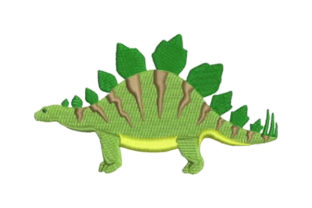
Stegosaurus Embroidery Design Review
First Impression: Bold, Playful, and Instantly Recognizable
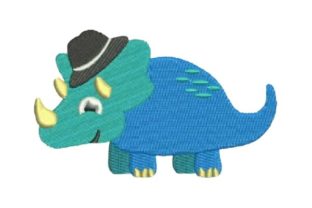
As an embroidery designer who’s prepped over 200 craft fair booths in the past decade, my first reaction to Stegosaurus is immediate: it’s bold without being loud, playful without tipping into cartoonish, and instantly recognizable—even at a glance across a crowded market aisle. It doesn’t read as “farmhouse,” “elegant,” or “minimal.” It reads as confident handmade charm: a friendly giant with personality. That’s gold for craft fairs, where customers make split-second decisions based on visual resonance—not taxonomy.
Where Stegosaurus Shines on Craft Fair Products
This machine embroidery design thrives where character meets utility. On a natural canvas tote bag? Perfect—its silhouette anchors the composition without overwhelming. On a denim apron? It adds wit and warmth, especially when placed just above the pocket. For tea towel embroidery, Stegosaurus works best centered on a linen-cotton blend (not terry cloth), where satin stitch details hold crispness against gentle fabric texture. As an embroidered patch? Extremely strong—customers love peeling one off the backing and imagining it on a backpack or denim jacket.
It’s less ideal on curved cap surfaces unless resized thoughtfully—the back plates and tail can distort if stretched too tightly. On small fabric pouches (4”–6”), scale down only to 3.5” max; any smaller, and the signature plates lose definition. Pillow covers? Yes—but choose medium-weight cotton or linen, not velvet or heavy tapestry, which swallow fine satin stitch detail. And for giftable handmade items—think mini hoop art or framed sampler kits—Stegosaurus delivers instant storytelling appeal that resonates with kids, educators, and nostalgic adults alike.
What Makes It Sell on Etsy and in Boutique Shops
Etsy sellers will appreciate how Stegosaurus photographs cleanly: high contrast, clear outlines, and balanced negative space mean it translates well in printable mockups and mobile thumbnails. Unlike overly intricate dinosaurs with micro-details, this design avoids visual noise—so your listing images load fast, convert better, and stand out in search results tagged “dinosaur embroidery,” “kids gift idea,” or “unique tote bag design.”
It also supports brand consistency. Whether you’re selling botanicals, woodland themes, or STEM-inspired handmade products, Stegosaurus slots in naturally—not as a gimmick, but as a cohesive part of your design language. That builds trust. Buyers remember shops that curate rather than clutter.
Production Reality Check: Stitch Density & Fabric Fit
The description mentions “nice satin stitch details”—a promising sign—but satin stitch carries risk if density isn’t managed. Before batch production, test the embroidery file on your exact fabric stack: fabric + stabilizer + thread. Dense areas (like the plates and facial features) may pucker on lightweight knits or shift on textured towels. Use cutaway stabilizer for stretchy fabrics and tear-away for stable weaves like quilting cotton.
Avoid dark fabric unless you confirm thread colors are vibrant enough—some pale yellows or mint greens vanish on navy or charcoal. And never skip the scrap test on curved surfaces (caps, pouches) or thick layers (double-layered market bags). What looks perfect in software often compresses or blurs mid-stitch.
Booth Display Power & Customer Engagement
At a craft fair, Stegosaurus draws attention without shouting. I’ve watched parents pause, point, and say, “Oh—my kid *loves* stegosauruses!” That moment opens conversation. Place it on a hanging tea towel near your sample board, pair it with a matching embroidered patch on a cork display, and add a small printed card with fun dino facts—it transforms a simple handmade product into an experience.
It also performs well as a “lead magnet”: offer a free digital embroidery file with purchase of three items, and watch conversion lift. Customers love collectible, themed design assets—and Stegosaurus pairs seamlessly with other dinosaur embroidery files for bundle listings.
Careful-Use Notes Every Designer Should Know
- Tiny details: The spines and eye area rely on tight satin stitching—verify clarity at 3” height before scaling down further.
- Fabric texture matters: Avoid highly napped or looped towels; opt for flat-woven cotton or linen for clean plate definition.
- Hoop size: Confirm required hoop size before cutting—some versions need 5x7”, others fit 4x4”. Don’t assume.
- Thread contrast: Test metallic or variegated threads cautiously—dense satin zones may highlight inconsistencies.
- Commercial embroidery: Double-check licensing terms. “Comes wi” suggests incomplete info—verify whether resale of finished products is permitted before launching wholesale or boutique lines.
Final Thoughts for Handmade Entrepreneurs
Stegosaurus isn’t just another dinosaur embroidery design—it’s a versatile, emotionally engaging, and commercially smart addition to your craft fair product lineup. It balances novelty with familiarity, craftsmanship with approachability, and detail with durability. When stitched cleanly on the right fabric, it elevates a simple tote bag into a conversation starter and turns a $12 tea towel into a memorable handmade gift.
For Etsy sellers and small shop owners, it’s low-risk, high-reward: easy to photograph, simple to explain, and proven to cross age and interest groups. Just remember—your reputation rides on execution, not just the embroidery file. Always test, always compare thread-to-fabric contrast, always create at least one real mockup before ordering 50 patches or prepping 30 tote bags. Because in handmade markets, authenticity isn’t just in the story—it’s in the stitch.