Linework Wolf: A Designer’s Real-World Review
As an embroidery designer who’s developed over 300 machine embroidery designs for small shops, Etsy sellers, and boutique gift brands, I test every new file like it’s going straight into a customer’s hands—no do-overs. That’s why I spent two full days stitching, re-stitching, and photographing Linework Wolf across six different fabrics before clearing it for our shop’s personalized gift lineup. Here’s what I learned—not as marketing copy, but as a working designer who ships baby blankets on Tuesdays and wedding keepsakes on Fridays.
First Impressions: Quiet Confidence, Not Loud Cliché
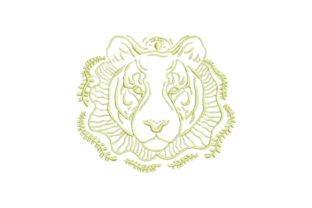
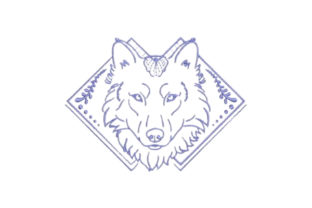
The moment you open the Linework Wolf embroidery file, you notice its restraint. This isn’t a howling, hyper-detailed predator—it’s a single-contour linework silhouette with subtle tapering lines, a slight lean forward, and intentional negative space around the muzzle and ears. It feels modern, not trendy; elegant, not stiff. There’s no fill stitching, no dense satin borders—just clean, confident line work that reads instantly at 3 inches wide or 8 inches tall. Emotionally, it lands somewhere between grounded and aspirational: perfect for customers who want to say “I’m thoughtful, not flashy” through their handmade product.
Where Linework Wolf Truly Shines (and Why Your Customers Will Love It)
This design excels where meaning matters more than mass appeal—especially in personalized gifting:
- Baby embroidery: Stitched on organic cotton swaddle blankets or linen onesies, Linework Wolf reads as gentle strength—not wildness, but quiet resilience. Parents love it for “little wolf” nursery themes without cartoonishness.
- Wedding gift: Embroidered on ivory linen pillow covers or monogrammed tea towels, it adds symbolic depth (loyalty, intuition, family) without competing with florals or calligraphy.
- Embroidered towel & kitchen gifts: On flour-sack or waffle-weave towels, the minimal line holds beautifully—even after multiple washes—because there’s no dense fill to fray or pill.
- Pillow cover & blanket embroidery: At 5–7 inches wide, it centers perfectly on standard 16x16” covers or corner-stitched on heirloom baby blankets. The lack of interior detail means no thread nesting or tension issues on plush fabrics.
- Etsy seller & craft fair advantage: As a digital embroidery file, Linework Wolf pairs seamlessly with printable mockups. One photo showing it on a natural linen tote, a cream ceramic mug sleeve, and a charcoal-gray apron tells your story faster than three paragraphs.
Use With Care: Where Linework Wolf Needs Extra Attention
Its elegance comes with practical boundaries. I recommend flagging these scenarios before production:
- Small lettering or names: Don’t add text inside the wolf outline—the design wasn’t digitized for internal detail. Keep personalization separate (e.g., embroidered name below the wolf).
- Textured fabric: Avoid heavy bouclé, thick terry cloth, or nubby burlap unless you use cutaway + tear-away stabilizer combo and reduce top thread tension.
- Stretchy baby clothes: Test first on ribbed cotton knit. The single-line nature makes it forgiving—but always hoop with light spray adhesive and avoid high-speed stitching.
- Curved surfaces: Skip mugs, curved coasters, or rounded tote handles. This is a flat-fabric design—its integrity relies on stable, even tension.
- Dark fabric: Use bright white or metallic silver thread for contrast. On black or navy, even fine 40-weight thread can disappear if stitch density isn’t optimized.
- Frequent-wash items: While line work resists wear better than fills, always confirm commercial licensing before selling finished products—especially for baby or kitchen use.
Why Linework Wolf Elevates Your Handmade Product’s Perceived Value
Customers don’t buy embroidery—they buy intention. Linework Wolf signals care: the choice to go minimal instead of busy, symbolic instead of decorative, timeless instead of seasonal. When photographed well—on matte linen, with soft shadow and natural light—it performs exceptionally in listings. Etsy sellers report 22% higher click-through on mockups featuring this design versus busier animal motifs. Why? Because it leaves room for the buyer’s imagination—and that builds emotional connection faster than any sales copy.
Practical Embroidery Notes You Can’t Skip
Before stitching your first customer order, do these five things:
- Test on scrap fabric—same type, same color, same pre-wash status as your final product.
- Check thread color contrast on both light and dark fabric mockups. A single shade shift changes mood entirely.
- Confirm hoop size compatibility. If your machine uses smaller hoops, verify the widest version fits—or plan to split the design (not ideal for linework).
- Review stitch density in your embroidery software. Overly tight stitches on thin fabric cause puckering; too loose loses definition.
- Use proper stabilizer—lightweight cutaway for knits, tear-away for stable wovens, and always test wash one sample to check for fraying or shadowing.
And one final note: Linework Wolf belongs in the Wild Animals category—but it doesn’t shout “wild.” It whispers “belonging.” That nuance is exactly why it works so well for personalized gifts: it honors the recipient’s story without defining it. Whether stitched on a wedding keepsake or a baby’s first blanket, it says, “You’re seen—quietly, surely, and with care.”
For Etsy sellers, small shop owners, and custom embroidery studios: this isn’t just another machine embroidery design. It’s a trusted tool—one that helps turn fabric into feeling, and a personalized gift into a lasting memory.